Like motor vehicle drivers, motorcyclists in Illinois must comply with multiple laws, regulations, and requirements. One of the most important is obtaining the appropriate Class M or Class L motorcycle classification. The process of getting a motorcycle license in Illinois is similar to the standard driver’s license process, although it may include an instruction permit, rider training, and motorcycle-specific testing.
Understanding Illinois motorcycle licensing requirements is one part of preparing to ride safely. If another driver’s negligence causes a motorcycle accident, Duncan Law Group is available to answer your questions and explain your legal options. Call (312) 202-3283 for a free consultation.
Types of Motorcycle Licenses in Illinois
Illinois offers two motorcycle classifications: Class M and Class L. The classification you need depends on the type of motorcycle or motor-driven cycle you plan to operate.
For many riders, an Illinois Class M license is the more flexible option because it permits operation of any motorcycle or motor-driven cycle. An Illinois Class L classification is more limited and applies only to certain lower-displacement vehicles.
According to the Illinois Motorcycle Operator Manual, a Class L classification applies to motor-driven cycles with an engine displacement under 150cc, while a Class M classification applies to any motorcycle or motor-driven cycle.
Illinois Class M License
A Class M classification on an Illinois driver’s license allows you to operate any motorcycle or motor-driven cycle on public roads. Because it does not limit riders to motorcycles under a certain engine size, it is the classification many Illinois motorcyclists choose.
The process of obtaining a Class M classification may include:
- Obtaining a motorcycle instruction permit
- Completing rider training
- Passing the required vision, written, and riding tests
- Visiting an Illinois Secretary of State Driver Services facility to add the classification to your license
Riders age 18 and older who successfully complete an approved Illinois Basic Rider Course may use a valid completion card to waive the Secretary of State’s written and riding tests, subject to current program and licensing requirements.
A Class M classification may be the better option if you currently ride, or may later want to ride, a standard motorcycle, cruiser, touring motorcycle, sport bike, or another motorcycle with an engine displacement of 150cc or greater.
Illinois Class L License
An Illinois Class L license allows you to operate a motor-driven cycle with an engine displacement under 150cc. This may include certain smaller motorcycles, mopeds, or scooters, depending on the vehicle’s specifications and applicable Illinois definitions.
The overall process for how to get a Class L license in Illinois is similar to the process for obtaining a Class M classification. You may need to:
- Obtain a motorcycle permit
- Meet age and identification requirements
- Complete required training if you are under 18
- Pass the appropriate tests
- Pay the fee to add the classification to your Illinois driver’s license
However, the Illinois Class L license requirements are limited to qualifying motor-driven cycles under 150cc. If you later decide to ride a larger motorcycle, a Class L classification alone will not permit you to do so. Riders who want the broadest operating privileges may prefer a Class M classification because it allows them to operate any motorcycle or motor-driven cycle.
Requirements for Obtaining a Motorcycle License in Illinois
The process of getting a motorcycle license in Illinois can vary based on your age, whether you already have a valid Illinois driver’s license, and whether you complete an approved rider education course.
In general, a rider who wants to get a Class M license or Class L classification should expect to take the following steps:
- Obtain an Illinois motorcycle instruction permit, if required.
- Practice riding within the permit’s restrictions or complete an approved motorcycle safety course.
- Pass the required written, vision, and riding examinations, unless a valid training-course waiver applies.
- Visit an Illinois Secretary of State Driver Services facility to add the Class L or Class M classification to your license.
- Pay the applicable licensing or endorsement fee.
The Illinois Department of Transportation (IDOT) offers the Cycle Rider Safety Training Program for Illinois residents age 16 and older with a valid automobile or motorcycle driver’s license or permit. The program provides training for new and experienced riders, and qualifying completion cards may allow adult riders to waive the written and riding portions of the Illinois motorcycle license test.
Getting a Motorcycle Permit in Illinois
Many riders begin by getting a motorcycle permit in Illinois. An instruction permit allows an eligible rider to gain experience before applying for a full Class L or Class M classification.
To obtain an Illinois motorcycle permit, you may need to visit a Secretary of State Driver Services facility, present the required identification documents, pass a vision screening, complete the required written examination, and pay the permit fee. The exact documents and testing requirements can vary based on your age and existing driver’s license status, so it is important to review the current Secretary of State requirements before visiting a facility.
A motorcycle instruction permit is not the same as a full motorcycle license. Permit holders must comply with applicable restrictions while riding, which may include daylight-only riding, limits on carrying passengers, and supervision requirements. Before riding, review the conditions listed on your permit and follow them closely.
Motorcycle instruction permits are issued for a limited period and may be subject to different rules depending on the rider’s age and licensing status. Review the current permit terms from the Illinois Secretary of State before applying or riding.
Requirements for Riders 18 and Older
If you are at least 18 years old, you can generally pursue an Illinois motorcycle license by either completing the required Secretary of State testing or taking an approved rider training course.
The IDOT Cycle Rider Safety Training Program is optional for riders 18 and older, but it can be a valuable way to build fundamental riding skills. Eligible adult graduates who receive a completion card may present it at a Secretary of State Driver Services facility and receive the relevant classification without additional written or riding testing. The completion card is valid for licensing purposes for one year from the course-completion date.
If you do not complete an approved course, you may obtain your Illinois motorcycle license by passing the required written and driving examinations at a Secretary of State Driver Services facility.
Requirements for Riders Ages 16 and 17
Illinois has additional requirements for younger riders. Riders ages 16 and 17 must complete an approved Basic Rider Course before applying for a Class M classification. They must also present their completion card and pass the written and riding tests at an Illinois Secretary of State Driver Services facility.
Because licensing rules, identification requirements, and testing procedures can change, young riders and their parents should verify current requirements directly with the Illinois Secretary of State and IDOT before beginning the application process.
Motorcycle Safety Training in Illinois
A motorcycle training course is not merely a licensing step. It can give new riders a structured setting to practice core skills before navigating traffic, intersections, construction zones, bad weather, and other real-world hazards.
Illinois’ Cycle Rider Safety Training Program offers courses for riders of varying experience levels. IDOT states that courses are free to eligible Illinois residents age 16 and older, although a regional training center may collect a refundable registration fee. Basic rider courses provide training motorcycles, meaning students generally do not need to bring their own bike to participate in those courses.
For riders age 18 and older, successful completion of an approved course may allow them to waive both the written and riding portions of the Illinois motorcycle license test. Riders aged 16 and 17 must still complete the written and driving exams after completing the course to obtain a Class M endorsement.
Even experienced riders may benefit from a refresher course. Motorcycle control requires ongoing attention, and formal training can help riders practice responses to common hazards before they face them in traffic.
Insurance Requirements for Illinois Motorcyclists
After obtaining the appropriate motorcycle classification, Illinois riders must maintain the insurance required by state law before operating on public roads. Illinois follows a fault-based system for motor vehicle collisions. In many cases, the party whose negligence caused the crash may be financially responsible for resulting injuries, property damage, and other legally recoverable losses.
Illinois motorcycle liability coverage must generally include at least:
- $25,000 for bodily injury or death of one person in an accident
- $50,000 for total bodily injury or death in one accident
- $20,000 for property damage in one accident
Uninsured and underinsured motorist coverage can be important when the at-fault driver has no insurance or insufficient insurance to cover the losses caused by a crash. Available coverage and policy limits depend on the terms of the policy and applicable law.
State minimum coverage may satisfy the legal requirement, but a serious motorcycle accident can result in medical expenses, lost income, rehabilitation costs, motorcycle damage, and long-term limitations that exceed minimum limits.
Why Motorcycle Accidents Can Be So Serious
Motorcyclists have the same right to use Illinois roads as other motorists. Yet they have far less physical protection in a collision than occupants of cars, SUVs, and trucks. Because motorcycles are smaller and may be less visible in traffic, all motorists should check mirrors and blind spots before changing lanes, merging, or turning.
Motorcycle accidents can lead to life-altering injuries, including:
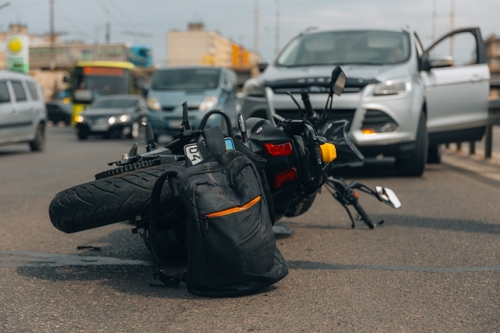
After a motorcycle crash, insurers may closely examine a rider’s speed, visibility, lane position, protective equipment, and other facts when evaluating fault. Preserving evidence early can help clarify how the collision occurred.
What to Do After a Motorcycle Accident in Illinois
If you are involved in a motorcycle crash, taking practical steps can help protect both your health and a potential injury claim.
- Seek medical care immediately. Some serious injuries are not immediately obvious after a crash. Prompt evaluation also creates important medical documentation.
- Call law enforcement. Request that police respond and prepare an accident report. Do not admit fault or speculate about how the crash occurred.
- Document the scene if you can do so safely. Take photos of vehicle positions, road conditions, debris, injuries, traffic signs, and damage to your motorcycle and protective equipment.
- Get contact information. Collect the other driver’s insurance and contact details, as well as names and phone numbers for witnesses.
- Preserve evidence. Keep your damaged helmet, clothing, motorcycle, photographs, medical paperwork, and communications from insurers. Do not repair or dispose of important items before discussing the claim with an attorney.
- Be careful when speaking with insurance companies. An insurer may request a recorded statement or make an early settlement offer before the full extent of your injuries is known.
- Talk with an experienced motorcycle accident attorney. A lawyer can investigate the crash, identify available insurance coverage, communicate with insurers, and pursue compensation when another party’s negligence caused the collision.
Speak With a Chicago Motorcycle Accident Lawyer
Getting the right motorcycle license in Illinois and completing rider training are important safety measures. However, even careful, properly licensed motorcyclists can be seriously injured when another driver fails to share the road responsibly.
If you or someone you love was hurt in a motorcycle accident caused by another person’s negligence, Duncan Law Group is prepared to listen, investigate, and fight for accountability. Our team represents injured people throughout Illinois and understands the pressure that follows a serious collision, from medical bills and missed work to insurance disputes and uncertainty about the future.
Contact Duncan Law Group at (312) 202-3283 for a free consultation. There are no fees unless we recover compensation for you.