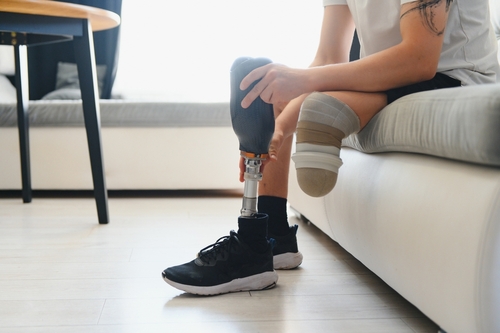
Losing a limb can affect nearly every part of a person’s life, including mobility, independence, work, and daily routines. When an amputation results from another party’s negligence, the injured person may be able to seek compensation for medical care, lost income, pain and suffering, and other losses.
Duncan Law Group represents people who have suffered limb loss throughout Cook County and Illinois. If you or a loved one sustained an amputation in a crash, workplace incident, medical error case, or other serious accident, our team can review what happened and explain your legal options. Call (312) 202-3283 for a free consultation.
Types of Amputation Injuries We Handle
Amputation injuries can take many forms, and each can create lasting physical, emotional, and financial challenges. Duncan Law Group represents people whose amputations resulted from another party’s negligence and works to pursue the compensation they need to move forward.
Traumatic vs. Surgical Amputation
A traumatic amputation happens during an accident, when a limb or part of a limb is severed or damaged so severely that it cannot be preserved. A surgical amputation occurs when a medical provider later determines that removal is medically necessary because of the original trauma, infection, vascular damage, or other complications. Either circumstance may support a claim when another party’s negligence caused or worsened the injury.
Upper Limb and Lower Limb Amputation
Amputation injuries can affect the arms, hands, or fingers, generally referred to as upper limb amputations, or the legs, feet, or toes, referred to as lower limb amputations. Each type carries its own specific challenges for rehabilitation, prosthetic fitting, and long-term function.
Common Causes of Amputation Injuries in Chicago
Amputation injuries can result from serious accidents, unsafe work conditions, defective products, or preventable medical errors. Identifying how the injury occurred is an important first step in determining who may be responsible and what legal options may be available.
Auto and Commercial Truck Accidents
Car and commercial truck accidents remain among the leading causes of traumatic amputation in the Chicago area, often resulting from high speed collisions, rollovers, or crashes involving large commercial vehicles that cause severe crush injuries.
Workplace and Machinery Incidents
Workplace accidents involving heavy machinery, manufacturing equipment, or construction tools are a significant cause of amputation injuries among Chicago area workers, particularly when proper safety guards or protocols weren't followed.
Medical Malpractice and Crush Injuries
Medical negligence, such as a delayed diagnosis, surgical error, or inadequate treatment of a serious injury, may contribute to the need for an amputation. Severe crush injuries can also lead to amputation when the damage to bone, tissue, nerves, or blood vessels is extensive.
Prosthetics, Lifelong Care, and Long-Term Complications
The effects of an amputation often continue well beyond the initial hospitalization. Depending on the injury, a person may need prosthetic care, rehabilitation, medical follow-up, pain management, and assistance with daily activities.
The Cost of Prosthetics and Future Medical Care
Amputation victims generally face a lifetime of costs connected to prosthetic devices, which require periodic replacement and adjustment, along with ongoing physical therapy, rehabilitation, and medical monitoring. Building a claim that accounts for these lifelong needs, rather than just the immediate medical bills, is one of the most important parts of representing an amputation victim.
Phantom Limb Pain and Ongoing Complications
Many amputation victims experience phantom limb pain, a condition involving persistent pain sensations in the area of the missing limb, along with other ongoing complications such as nerve pain, skin breakdown at the amputation site, and psychological effects connected to the loss. These long-term complications are an important part of understanding the full scope of an amputation victim's damages.
Damages Available in an Amputation Injury Claim
An amputation injury can affect every part of a person’s life, from the ability to work and live independently to the need for lifelong medical treatment. Depending on the circumstances, compensation may be available for:
- Past and future medical expenses
- Prosthetics, mobility devices, and necessary replacements or adjustments
- Physical therapy, rehabilitation, and other ongoing treatment
- Lost wages and reduced future earning capacity
- In-home assistance, long-term personal care, and home or vehicle modifications
- Physical pain, emotional distress, and phantom limb pain
- Loss of enjoyment of life, disability, and disfigurement
Duncan Law Group can work to identify the full value of an amputation injury claim, including needs that may continue long after the initial accident or medical treatment.
Wrongful Death Claims After Fatal Amputation Complications
In some cases, complications following a severe amputation injury, including infection, blood loss, or other medical complications, may be fatal. If another party’s negligence caused or contributed to the death, the personal representative of the deceased person’s estate may be able to bring a wrongful death action for the benefit of eligible surviving family members.
In Illinois, wrongful death claims generally must be filed within two years of the date of death. The deadline and potential claim may be affected by the circumstances, including whether a government entity or medical provider is involved, so it is important to seek legal guidance promptly.
Why Choose Duncan Law Group for Your Amputation Case
An amputation injury can affect mobility, independence, employment, family life, and the care a person may require in the future. Duncan Law Group provides focused representation to people facing life-changing injuries, with an approach grounded in preparation, clear communication, and a readiness to take a case to trial when necessary.
Duncan Law Group has recovered more than $350 million for injured clients and their families. Led by Attorney Robert R. Duncan, the firm brings more than 100 years of combined legal experience in Illinois state and federal courts to serious injury claims.
Building an amputation claim may require a detailed review of medical records, future rehabilitation and prosthetic needs, lost earnings, and the personal effects of limb loss. Duncan Law Group can assess those losses and pursue the compensation available under the facts of the case.
Speak With Our Chicago Amputation Attorneys Today
If you or a loved one has experienced limb loss caused by someone else's negligence, our team is ready to help. Whether your case involves a workplace accident, medical malpractice, a car accident, or another type of catastrophic injury, our team can evaluate your claim, explain your options, and pursue the compensation available under Illinois law.
Contact Duncan Law Group at (312) 202-3283 today to discuss your case.
Chicago Amputation FAQs
How long do I have to file an amputation injury claim in Illinois?
In Illinois, most personal injury lawsuits must generally be filed within two years after the claim accrues. In many accident cases, that means two years from the date of the injury. Missing the deadline can prevent you from recovering compensation, even if another party was at fault.
Different rules may apply depending on how the amputation occurred and who may be responsible. Medical malpractice claims, claims involving a local government entity, workers’ compensation matters, and wrongful death claims can involve different deadlines and additional legal requirements.
Who can be held liable for an amputation injury?
Liability for an amputation injury depends on how the injury happened and whether another person or organization’s negligence contributed to the loss of a limb. Potentially responsible parties may include a negligent driver after a car or truck crash, a trucking company, a property owner who failed to correct a dangerous condition, a manufacturer of defective machinery or equipment, or a medical provider whose delayed diagnosis, surgical mistake, or inadequate treatment led to an avoidable amputation.
What is my amputation case worth?
The value of an amputation case depends on factors including the severity of the injury, current and future medical expenses, the cost of prosthetics and ongoing care, lost income and earning capacity, and the overall impact on your quality of life. Because every case is different, an accurate valuation requires a full review of your specific circumstances.
Can I file a claim if my amputation happened at work?
Potentially, yes. Depending on the specific facts, you may have a workers' compensation claim, a separate third-party negligence claim against a party other than your employer, such as an equipment manufacturer, or both. An attorney can help you understand which options apply to your situation.
What if a loved one died from amputation-related complications?
If a loved one's amputation, or complications connected to it, such as infection or blood loss, ultimately resulted in their death, surviving family members may be entitled to pursue a wrongful death claim against the responsible party.