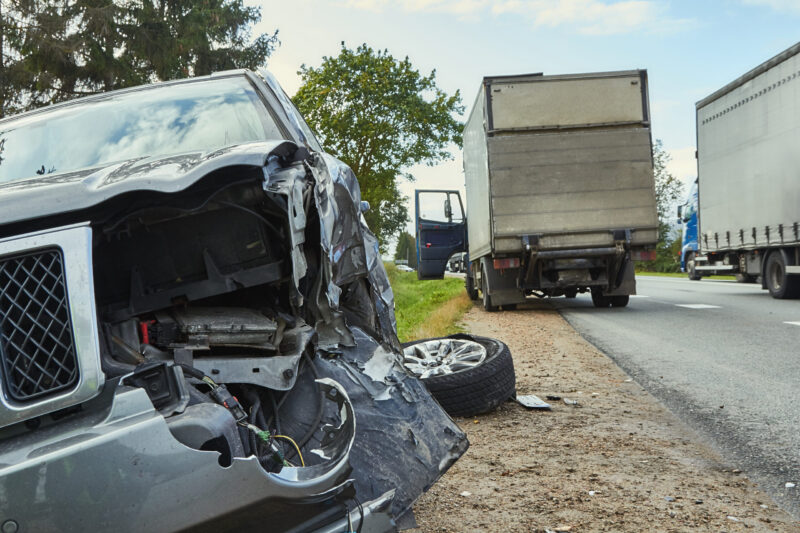
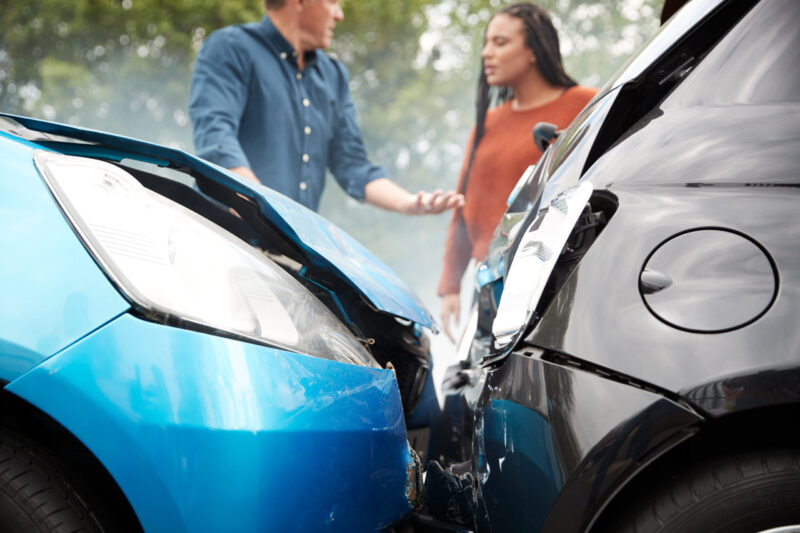
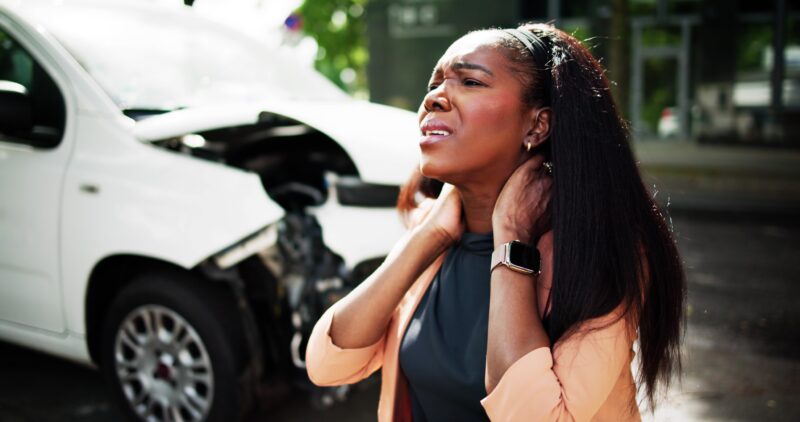
When highways like I-74 between Peoria and Champaign or busy arterials through Bloomington–Normal see chain-reaction pileups, the results can be devastating: multiple vehicles, multiple injuries, and tangled liability. At Duncan Law Group, we help Illinois drivers understand fault, pursue full compensation, and navigate the claims process—whether you’re on US-150 outside Champaign, swerving to avoid deer near Peoria, or stuck in rush-hour traffic across the state.
What Is a Multi-Vehicle Crash?
Chain-reaction crashes happen when one collision triggers another, involving three or more vehicles. Common scenarios include:
- Highway Pileups: A sudden slowdown on I-74 or I-57 sends vehicle after vehicle rear-ending one another.
- Intersection Accidents: One car runs a red light at a busy Champaign junction, causing side-swipes and rear-ends behind.
- Weather-Related Chain Reactions: Fog on Route 150 or ice on rural county roads outside Peoria can lead to multi-car collisions.
Because multiple drivers and insurance companies get involved, these cases quickly become complex. Illinois’s comparative‐negligence law allows you to recover even if you share some blame, but fair allocation of fault is crucial.
How Illinois’s Comparative Negligence Works
Illinois follows a modified comparative negligence rule (735 ILCS 5/2-1116). Here’s what that means:
- Fault Percentage: Each party (and sometimes each vehicle) is assigned a percentage of fault.
- 50% Bar Rule: You can recover damages only if you are 50% or less at fault.
- Reduction of Damages: Your compensation is reduced by your share of fault.
- Example: If total damages equal $100,000 and you’re found 20% at fault, you recover $80,000.
In a four-car crash on I-74 near Champaign, one driver may be 40% at fault for tailgating, another 30% for distracted driving, and you may bear 10% if you braked late. Accurately proving each percentage requires thorough investigation.
Common Injuries & Damages in Chain-Reaction Collisions
Multi-vehicle crashes often result in more severe injuries than simple fender-benders:
- Whiplash & Neck Injuries: Even low-speed impacts can sprain neck ligaments.
- Back & Spinal Damage: Compression fractures and herniated discs are frequent when seats suddenly jolt.
- Head Trauma: Concussions or more serious TBIs when heads hit steering wheels or windows.
- Soft-Tissue Injuries: Strains, sprains, and bruising throughout the body.
- Psychological Impact: Anxiety about driving again, PTSD from a traumatic crash.
Victims can claim economic losses (medical bills, lost wages, vehicle repairs) and non-economic losses (pain and suffering, emotional distress).
Steps to Take After a Multi-Vehicle Accident
- Ensure Safety & Call 911
- Check on all drivers and passengers.
- Report injuries—even minor ones can worsen without treatment.
- Document the Scene Thoroughly
- Photographs: Capture vehicle positions, skid marks, damage, and road conditions.
- Witness Info: Get names and contact details of everyone who saw the crash.
- File a Police Report
- Officers note traffic citations and preliminary fault opinions on I-routes and rural roads.
- You’ll receive a copy to share with insurers and attorneys.
- Seek Medical Care Immediately
- Some injuries (like concussions or internal trauma) may not show symptoms right away.
- Preserve Evidence
- Keep repair estimates, tow records, medical bills, and correspondence with insurers.
- Contact Duncan Law Group
- Our Peoria and Champaign offices handle multi-vehicle claims statewide.
- We coordinate with accident reconstruction experts, medical specialists, and forensic engineers to build your case.
Ready to talk? Request a free consultation today.
Why Multi-Vehicle Cases Need Experienced Counsel
Insurance carriers often try to minimize payouts by shifting blame among drivers. Without seasoned legal representation, you risk:
- Unfair Fault Allocations: A quick settlement might assign you more blame than the facts support.
- Lowball Offers: Insurers may push “take it or leave it” deals before your full injuries appear.
- Missed Damages: Future medical costs or long-term therapy expenses can be easy to overlook.
Duncan Law Group brings:
- Thorough Investigations: We reconstruct accidents—measuring impact angles, braking distances, and visibility.
- Expert Witnesses: From biomechanical engineers to life-care planners, we quantify your damages accurately.
- Aggressive Negotiations & Litigation: We press insurers to offer what you deserve, and we’re trial-ready when they don’t.
External Resources
- Illinois Department of Transportation (IDOT): Traffic safety reports and highway condition alerts.
- Illinois Compiled Statutes, 735 ILCS 5/2-1116: Full text of Illinois’s comparative negligence law.
- National Highway Traffic Safety Administration (NHTSA): Data on multi-vehicle crash risks and safety recommendations.
Read statewide traffic statistics on the IDOT Crash Statistics Portal.
Practical Tips for Driving Safely in Illinois
- Maintain Safe Following Distance: On highways like I-57 and I-74, stay at least three seconds behind the car ahead.
- Adjust for Weather: Rain, fog, and snow increase stopping distances—slow down and allow extra room.
- Avoid Distractions: No texting, eating, or fiddling with navigation when traffic is heavy.
- Use Headlights Early: In dusk or dawn conditions common outside Peoria, make your vehicle visible.
- Stay Alert for Construction Zones: IDOT often works on resurfacing and bridge repairs—watch for lane shifts.
In Your Corner—From Peoria to Champaign and All of Illinois
Whether you commute between Peoria and Champaign, haul freight along US-150, or simply run errands on local roads, multi-vehicle accidents can leave you overwhelmed. At Duncan Law Group, our supportive, professional attorneys stand by Illinois drivers—investigating every detail, explaining your rights, and fighting for maximum compensation.
Reach out today for a free, no-obligation consultation. You focus on healing; we’ll handle the rest.