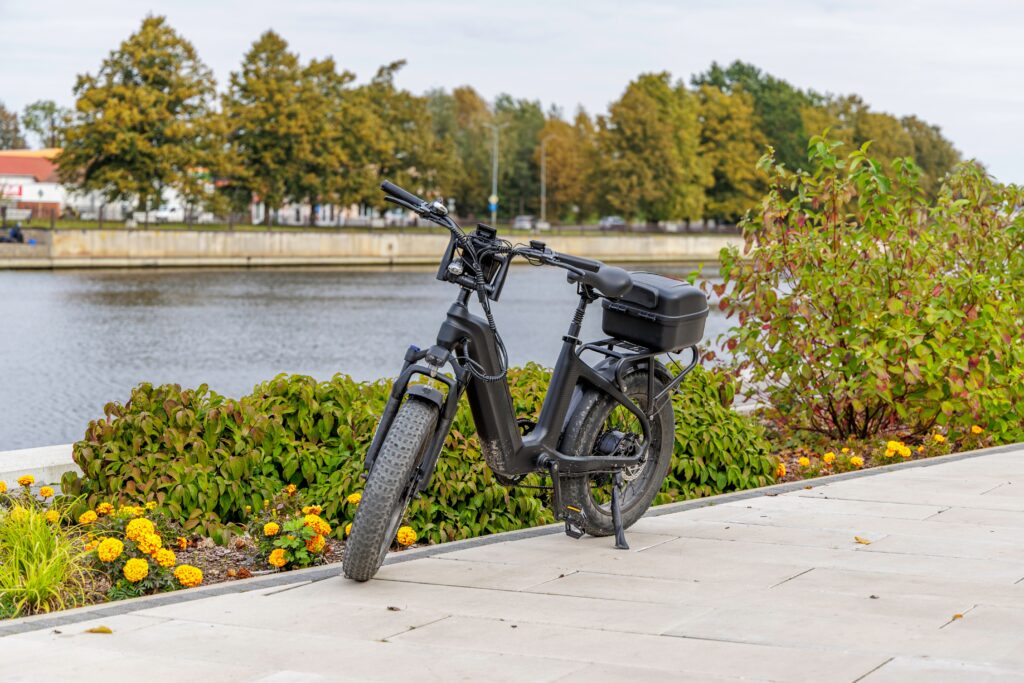
E-bikes have become one of the fastest growing ways to get around Illinois, from commuters weaving through Chicago traffic to weekend riders cruising suburban trails. That growth has brought new attention from lawmakers and safety officials, including a statewide e-bike safety initiative introduced in early 2026 aimed at reducing crashes and clarifying the rules for riders and drivers alike.
Whether you are new to e-bikes or have been riding for years, understanding Illinois e-bike laws is important for staying safe and for protecting your rights if you are ever involved in an accident. Duncan Law Group’s bicycle accident attorneys represent injured riders throughout Chicago and have seen firsthand how confusion over these rules can complicate a case after a crash. Call (312) 202-3283 today if you have been hurt in an e-bike accident and want to understand your legal options.
Are E-Bikes Legal in Illinois?
Yes, e-bikes are legal to ride in Illinois. Under state law, most low‑speed e-bikes are treated like traditional bicycles rather than motor vehicles, as long as they meet specific speed, power, and equipment requirements. Devices that exceed those limits can be classified and regulated more like mopeds or motorcycles.
How Illinois Defines Electric Bikes (Class 1, 2, and 3)
Illinois follows the widely adopted three class system for defining electric bicycles, which determines where and how each type can legally be ridden. Classes include:
- Class 1: Pedal assist only, with no throttle; motor assistance stops at 20 miles per hour.
- Class 2: Equipped with a throttle that can propel the bike without pedaling; motor assistance also capped at 20 miles per hour.
- Class 3: Pedal assist only, with motor assistance up to 28 miles per hour. State law requires riders to be at least 16 years old to operate a Class 3 e-bike, and these bikes must have a speedometer.
Each class is subject to different rules about where it can be operated, particularly on bike paths, trails, and sidewalks, and some of those rules vary by municipality.
Key Illinois E-Bike Laws Riders Must Follow
Illinois treats most low-speed e-bikes like traditional bicycles, but only if they meet the specific speed, power, and equipment requirements outlined above. When an e-bike or its rider does not follow those rules, the consequences may include fines, liability for injuries, or even having the device classified as a motor vehicle. At Duncan Law Group, our personal injury attorneys see how these rules matter when crashes happen, and we help injured riders and families navigate both the legal and insurance issues that follow.
Speed Limits and Motor Power Restrictions
Illinois law defines low‑speed electric bicycles as having operable pedals, a motor under 750 watts, and speed limits tied to class:
- Class 1 and Class 2 e-bikes are limited to 20 miles per hour under motor power
- Class 3 e-bikes are capped at 28 miles per hour
Motors or devices that exceed these limits, such as e-bikes capable of speeds over 28 mph or with more than 750 watts, may fall outside the legal definition of a low‑speed e-bike.
Helmet Laws and Age Requirements
Illinois does not currently impose a statewide helmet requirement for adult e-bike riders. State law requires riders of Class 3 e-bikes to be at least 16 years old.
Some municipalities have additional rules for riders under 18, including helmet requirements, so it’s important to check local ordinances where you plan to ride.
Licensing, Registration, and Insurance Rules
A common question riders ask is whether you need a license for an e-bike in Illinois. For low-speed e-bikes that meet the state’s Class 1, 2, or 3 definitions, the answer is no. These e-bikes do not generally require a driver's license, registration, or insurance to operate, unlike mopeds or motorcycles.
This is one of the key appeals of e-bikes for commuters who want a faster alternative to a traditional bicycle without the licensing burden of a motor vehicle. However, devices that exceed the state’s e-bike limits may be classified as motor driven cycles. Starting in 2027, many of these higher-speed devices will require a license, registration, and insurance.
Traffic Laws That Apply to E-Bikes
E-bike riders are generally required to follow the same traffic laws as traditional bicyclists, including obeying traffic signals, riding in the same direction as traffic, and yielding the right of way when required.
Riders are also expected to use hand signals when turning and to equip their e-bikes with proper lighting and reflectors when riding at night.
Chicago E-Bike Laws and Local Regulations
Chicago’s e-bike rules layer on top of state law, and knowing where you can legally ride matters both for safety and for any potential injury claim.
Where You Can Ride in Chicago (Bike Lanes, Roads, Trails)
Chicago has expanded its network of protected bike lanes in recent years, and e-bikes are generally permitted in bike lanes and on most roadways alongside traditional bicycle traffic. Some trails and park paths have their own posted rules about e-bike use, including speed limits and which classes are allowed.
Sidewalk Riding Rules
Under Illinois law, riding an e-bike on sidewalks is generally prohibited. In Chicago, this rule is especially important in dense commercial corridors where pedestrian traffic is heavy. Riders should use designated bike lanes, streets, or approved paths rather than sidewalks to avoid both legal issues and the risk of a collision with pedestrians.
Shared Roadway Responsibilities
When riding on shared roadways, e-bike riders and drivers both carry a responsibility to watch for one another. Under Illinois law, drivers must leave at least 3 feet of space when passing cyclists, including e-bike riders, when it is safe to do so.
New Illinois E-Bike Safety Initiatives (2026 Update)
Illinois has moved quickly to tighten e-bike rules and promote safer riding as these devices become more common on roads and trails. These changes can affect liability and compensation when e-bike crashes cause serious injuries.
Statewide Safety Campaigns and Enforcement Efforts
Secretary of State Alexi Giannoulias has led a statewide “Ride Safe, Ride Smart, Ride Ready” campaign and pushed new legislation to clarify who can ride what, where, and under which conditions. The new initiative is aimed at reducing crashes and improving rider education across the state. The initiative reflects growing concern among state officials about the rise in e-bike related injuries as ridership has surged in recent years.
Focus on Injury Prevention and Public Awareness
The initiative focuses on rider education covering class distinctions, speed and location rules, and basic safety equipment. Over time, officials may pair these campaigns with more targeted enforcement as crash data becomes available.
Potential Future Regulations and Policy Changes
As e-bike use continues to grow, riders should expect the legal landscape to keep evolving. Additional regulations addressing speed enforcement, helmet requirements, or local riding restrictions may be introduced in the coming years as lawmakers respond to safety data and public feedback. Riders and families affected by e-bike accidents should stay informed, since these changes can directly affect legal rights and responsibilities.
The Rise in E-Bike Accidents and Injury Risks
E-bike related accidents have climbed alongside the surge in popularity of electric bicycles across Illinois. Higher speeds compared to traditional bicycles, combined with a rider population that includes many newer or less experienced users, have contributed to a noticeable increase in crashes and injuries in recent years.
Common causes of e-bike collisions may include:
- Drivers failing to see or yield to e-bike riders, particularly at intersections
- Riders traveling faster than expected
- Poor visibility due to inadequate lighting or reflective gear
- Distracted driving or distracted riding
- Dooring incidents involving parked vehicles
- Riding on sidewalks or against traffic in violation of local rules
Typical Injuries in E-Bike Accidents
Because e-bikes travel faster than traditional bicycles, collisions can result in more serious injuries, including road rash, broken bones, head and traumatic brain injuries, and in severe cases, spinal cord injuries or wrongful death.
Who Is Liable in an Illinois E-Bike Accident?
Liability in an e-bike accident often comes down to which party failed to exercise reasonable care. A driver who fails to yield or a rider who runs a stop sign can both potentially bear responsibility depending on the specific facts of the crash. Illinois follows a modified comparative negligence rule, meaning an injured rider can still recover compensation as long as they are not found more than 50% at fault.
Product Defects and Manufacturer Liability
In some cases, an e-bike accident is caused not by rider or driver error but by a defective component, such as a faulty battery, brake failure, or a motor malfunction. When a product defect contributes to a crash, the manufacturer or distributor may share liability for the resulting injuries.
Municipal Liability for Unsafe Roads
Poorly maintained bike lanes, malfunctioning traffic signals, or hazardous road conditions can also contribute to e-bike accidents. In these situations, a municipality responsible for maintaining the roadway may bear some responsibility for the crash, though these claims often involve additional legal requirements and shorter deadlines for filing.
What to Do After an E-Bike Accident in Chicago
- Seek medical attention immediately, even if injuries seem minor at first.
- Call the police and get a copy of the accident report.
- Take photos of the scene, your e-bike, and any visible injuries.
- Get contact information from any witnesses.
- Consider speaking with an attorney at Duncan Law Group before giving a recorded statement to any insurance company.
- Allow your attorney to investigate liability and gather evidence.
- Avoid posting about the accident on social media while your claim is pending.
How Duncan Law Group Can Help After an E-Bike Injury
Duncan Law Group has represented injured cyclists and e-bike riders throughout Chicago, and we understand how quickly the laws around electric bikes are evolving. Our team stays current on Illinois e-bike regulations so we can build the strongest possible case for every client.
We work to hold negligent drivers, property owners, or manufacturers accountable, pursuing compensation for medical expenses, lost wages, pain and suffering, and other damages resulting from an e-bike accident.
We also offer a free, no obligation consultation to review the facts of your case and help you understand your legal options, with no upfront cost or pressure to move forward until you are ready.
Contact a Chicago E-Bike Accident Lawyer Today
If you or someone you love has been injured in an e-bike accident in Chicago, do not wait to get legal guidance. Contact Duncan Law Group at (312) 202-3283 for a free consultation and let us help you understand your options.